On this page
- 01Key takeaways
- 02Why does the response stay in-house?
- 03When does an outsourced hotline help?
- 04What should a whistleblowing policy say?
- 05How are whistleblowers protected?
- 06What does this look like in practice?
- 07Whistleblowing checklist
- 08Next step
- 09Sources and further reading
- 10Frequently asked questions
Key takeaways
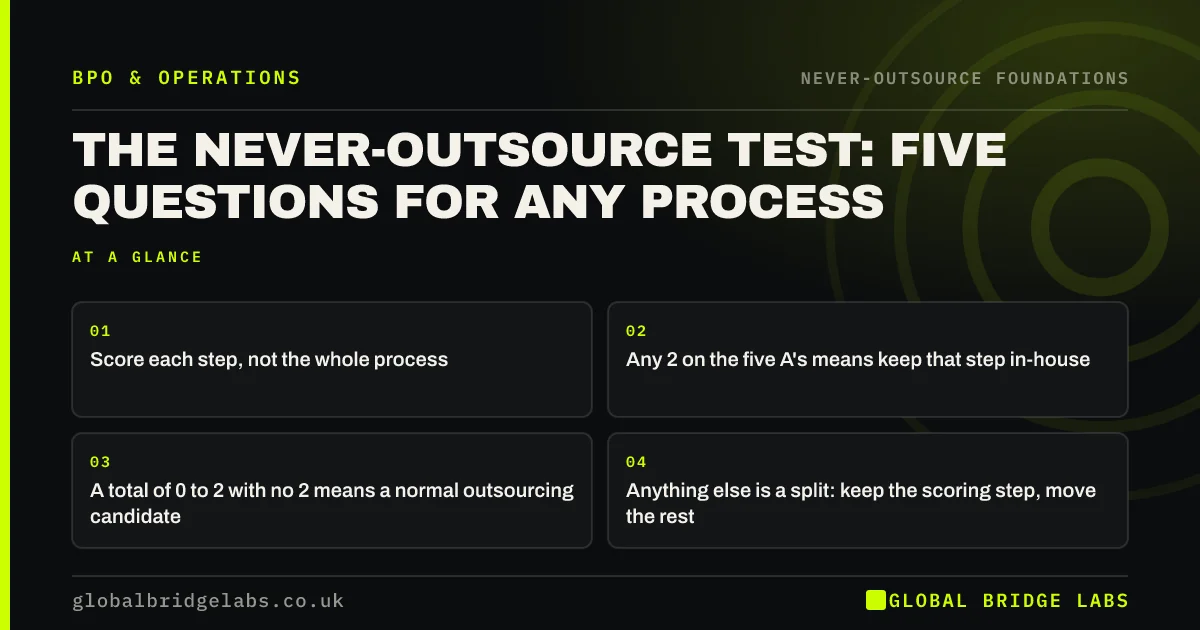
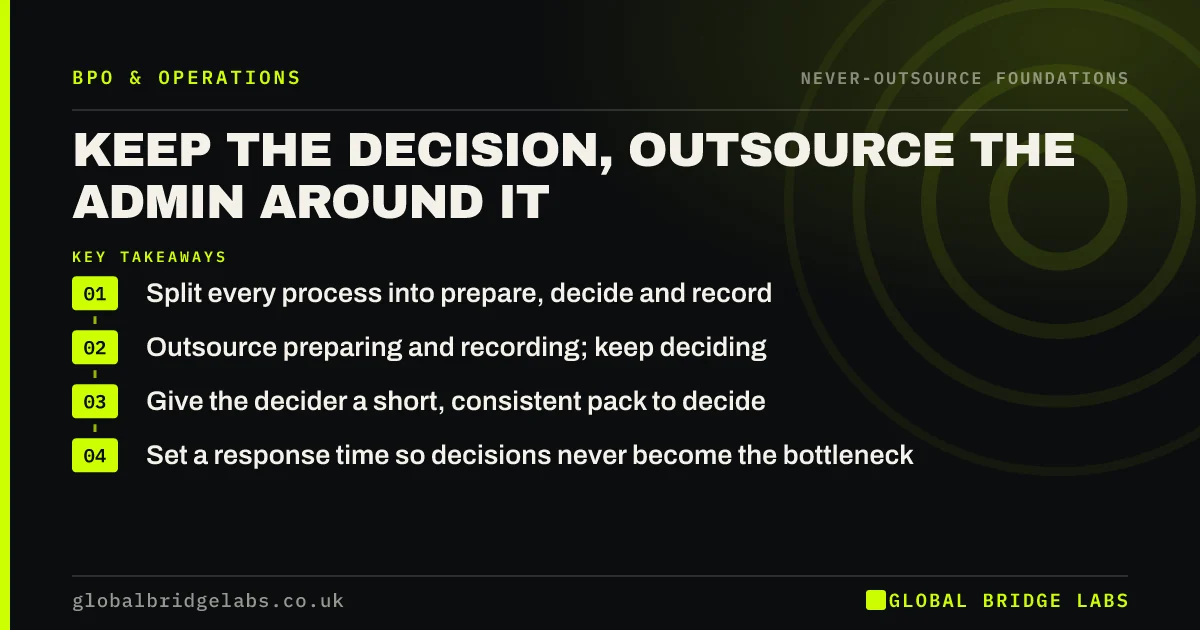
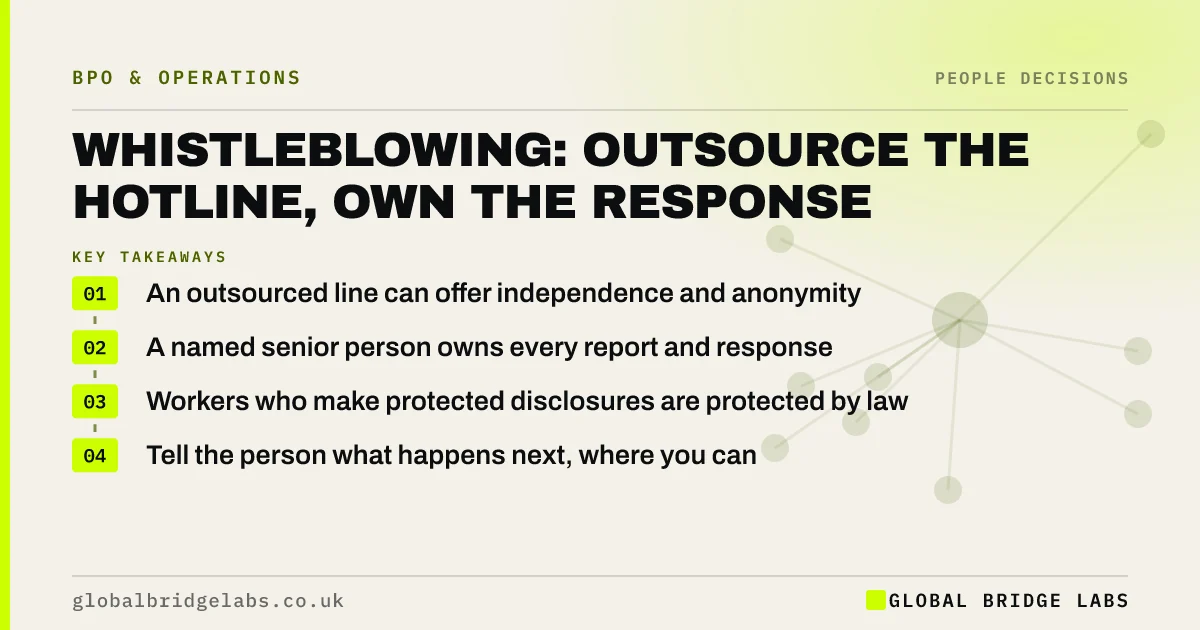
A whistleblowing hotline gives staff a safe way to report wrongdoing, and an outsourced line can help in a small business, where people may fear being identified. But the response must stay with the business: a senior person independent of the issue decides how to investigate, protects the whistleblower and acts on the findings.
- An outsourced line can offer independence and anonymity.
- A named senior person owns every report and response.
- Workers who make protected disclosures are protected by law.
- Tell the person what happens next, where you can.
Want help setting up a simple speak-up process? Message us on WhatsApp.
Chat on WhatsApp →Why does the response stay in-house?
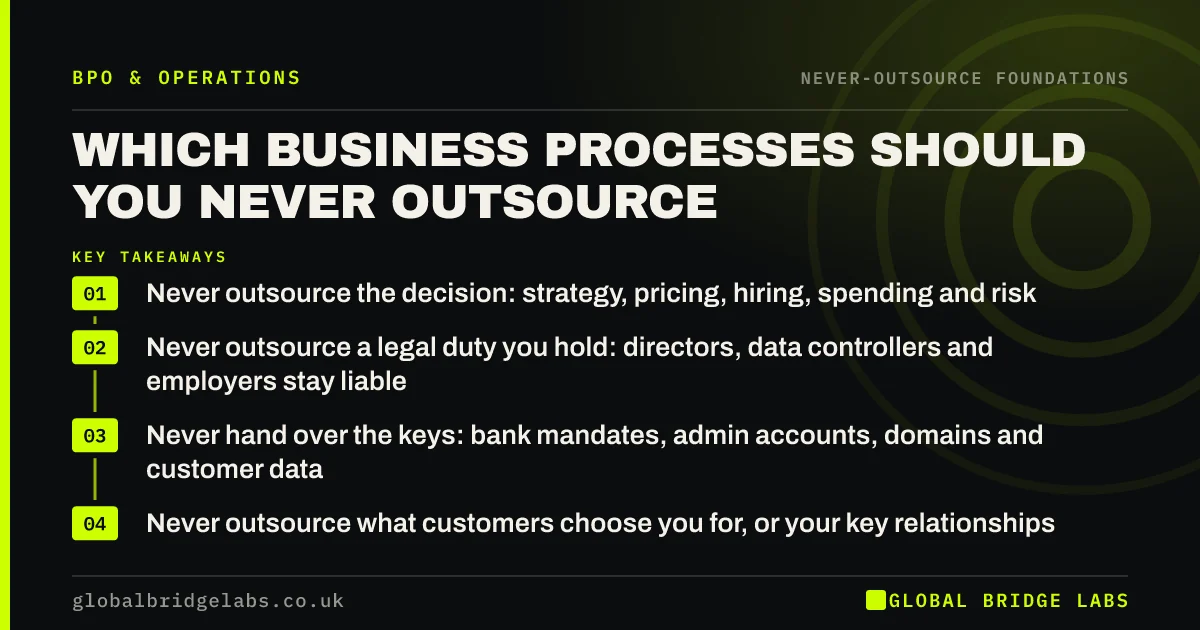
Because deciding what to investigate, what action to take and how to protect the person raising concerns are decisions about the business's conduct. An outside line passes reports on; it cannot discipline staff, change processes or correct wrongdoing. Those powers sit with leaders.
When does an outsourced hotline help?
When staff might not trust an internal route: the concern involves a manager or owner, the business is small enough that people fear being recognised, or teams work across sites and hours. An external line also shows staff and clients that concerns are taken seriously.
What should a whistleblowing policy say?
GOV.UK guidance encourages employers to have a policy, even though small employers are not legally required to.
- What kinds of concerns to raise.
- How to raise them, including an external route.
- Who receives and owns reports.
- How confidentiality and protection work.
- What feedback the person can expect.
How are whistleblowers protected?
Under the Public Interest Disclosure Act 1998, workers who make a protected disclosure, about matters such as crime, danger to health and safety or a breach of legal obligation, are protected from dismissal and detriment because of it. Treating a whistleblower badly can lead to an employment tribunal claim.
What does this look like in practice?
A pattern we see: small businesses rely on an 'open door' that nobody uses for serious concerns. Adding an external route and naming who will respond increases early reports, which are cheaper to deal with than late ones.
Whistleblowing checklist
- Write a short whistleblowing policy.
- Offer an internal and an external route.
- Name a senior person to own reports.
- Protect whistleblowers from detriment.
- Act on findings and record the outcome.
Next step
Ask yourself who a junior employee would tell if they saw the owner doing something wrong. If there is no answer, you need a second route.
Message us on WhatsApp, or book a 30-minute consultation.
Chat on WhatsApp →Sources and further reading
- Whistleblowing guidance for employers · GOV.UK
- Discipline and grievance · Acas
Frequently asked questions
Do small businesses need a whistleblowing policy?
Small employers are not legally required to have one, but government guidance encourages all employers to. A short policy explaining how to raise concerns, who receives them and how people are protected helps staff speak up early and shows you take concerns seriously.
Can whistleblowing be outsourced?
The reporting line can be outsourced to give staff an independent, confidential route. The response, including deciding how to investigate, protecting the whistleblower and acting on findings, should stay with a senior person in the business who is independent of the concern.
What protection do whistleblowers have in the UK?
Workers who make a protected disclosure in the public interest, for example about crime, health and safety dangers or legal breaches, are protected by the Public Interest Disclosure Act 1998 from dismissal and other detriment because of it.
Written by

Global Bridge Labs (GBL) is a UK–Sri Lanka partner for social media, websites and BPO. Everything here comes from client delivery, not theory.