On this page
- 01Key takeaways
- 02Why should leaders own internal communications?
- 03What news must come from leaders?
- 04What can be outsourced?
- 05How do you explain outsourcing to staff?
- 06What does this look like in practice?
- 07Internal communications checklist
- 08Next step
- 09Sources and further reading
- 10Frequently asked questions
Key takeaways
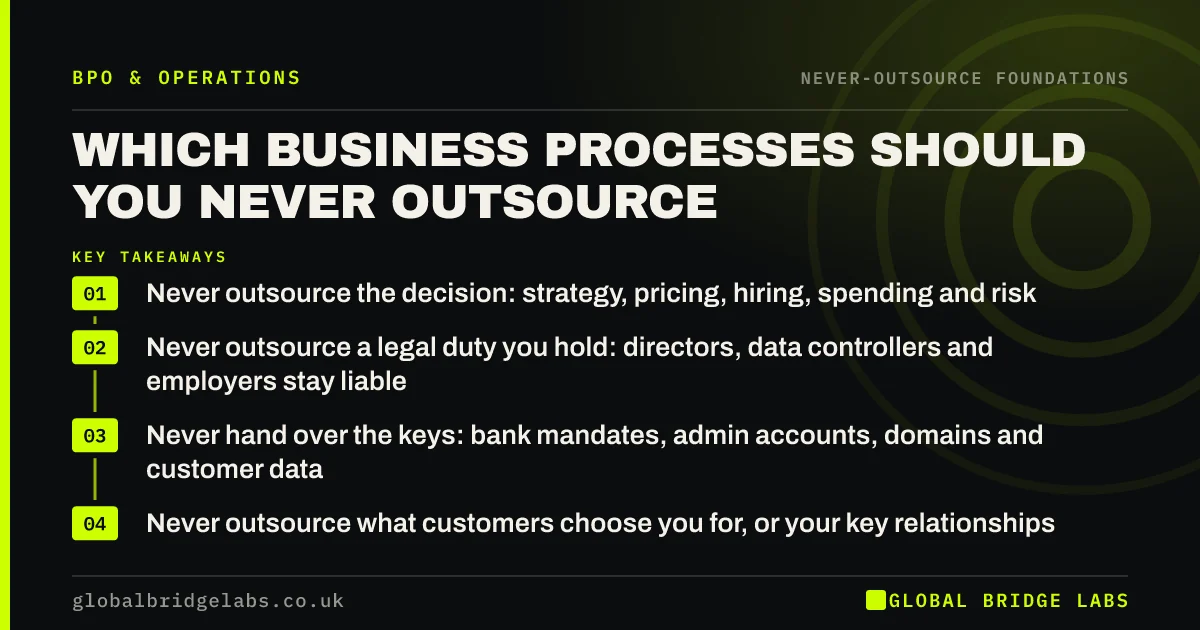
Internal communications in a small business work when leaders own the message: what is changing, why, and what it means for people. An outsourced team can produce the newsletter, update the intranet, schedule all-hands meetings and track who has read policies. Important news, especially about jobs, change or outsourcing itself, should come from leaders directly.
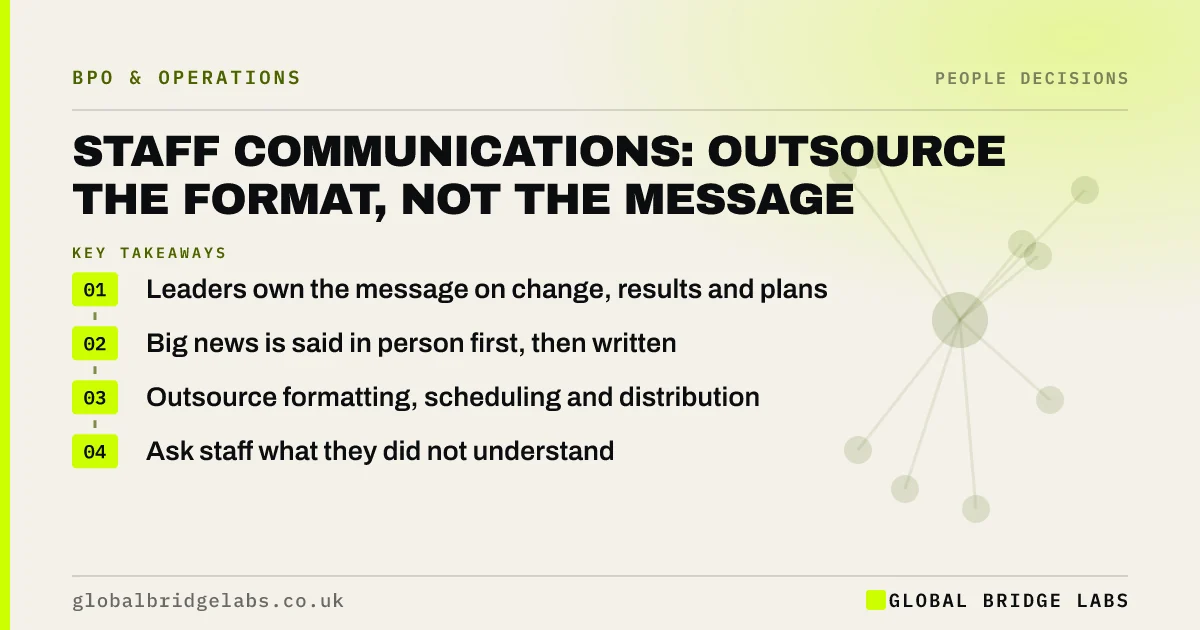
- Leaders own the message on change, results and plans.
- Big news is said in person first, then written.
- Outsource formatting, scheduling and distribution.
- Ask staff what they did not understand.
Want your staff newsletter and updates produced for you? Message us on WhatsApp.
Chat on WhatsApp →Why should leaders own internal communications?
Because staff judge leaders by what they say and when. A polished newsletter from a provider cannot replace a leader explaining a hard decision. The HSE's Management Standards list how change is managed and communicated as a driver of work-related stress. Clear, early explanation from leaders reduces rumour and anxiety.
What news must come from leaders?
Anything that affects people's jobs, security or how they work.
- Restructures, redundancies and outsourcing decisions.
- Results, good and bad.
- Changes to pay, hours or benefits.
- New strategy or major customers.
- Responses to incidents.
What can be outsourced?
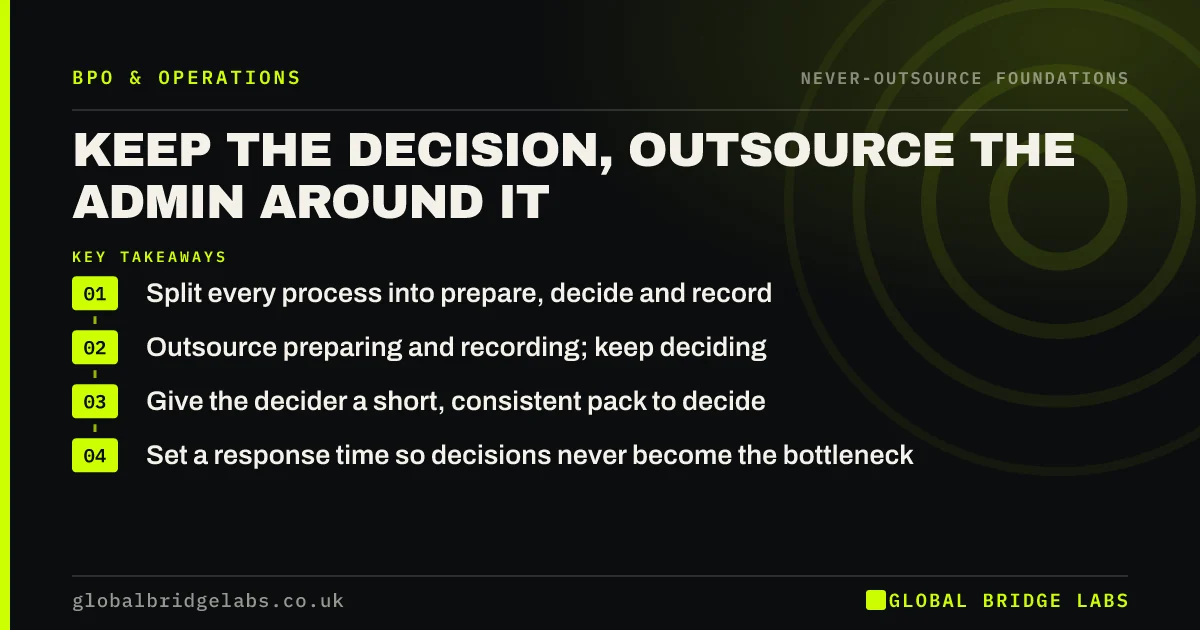
The production and admin: drafting routine updates from leaders' notes, designing the newsletter, updating the intranet or shared drive, scheduling meetings, collecting policy acknowledgements and summarising staff questions. This keeps communication regular without taking leaders' time.
How do you explain outsourcing to staff?
Early and honestly. Explain what is moving, why, what it means for each person's role and what will not change. If TUPE may apply, take advice before saying anything. Involve staff in documenting the process; their knowledge makes the handover work.
What does this look like in practice?
A pattern we see: staff learn about an outsourcing plan from a calendar invite. Where a leader explains it first in a team meeting, with time for questions, the handover goes more smoothly and fewer people leave.
Internal communications checklist
- Set a regular rhythm for staff updates.
- Leaders deliver big news in person first.
- Outsource production and distribution.
- Track policy acknowledgements.
- Collect and answer staff questions.
Next step
Think of the last big change in your business. Did staff hear it from a leader first? If not, plan the next one differently.
Message us on WhatsApp, or book a 30-minute consultation.
Chat on WhatsApp →Sources and further reading
- What are the Management Standards for work-related stress? · Health and Safety Executive
- Business transfers, takeovers and TUPE · GOV.UK
Frequently asked questions
Who is responsible for internal communications in a small business?
The owners and senior leaders own the messages about results, change and plans. A manager or outsourced team can handle production, scheduling and distribution. Important news should always come from leaders directly before it appears in writing.
Can internal communications be outsourced?
The production can: drafting routine updates, designing newsletters, updating intranets, scheduling meetings and tracking policy acknowledgements. Messages about change, results and jobs should come from leaders, because staff trust depends on hearing it from them.
How should you tell staff about outsourcing?
Early, honestly and in person. Explain what is moving and why, what it means for each role and what stays the same. Take advice first if TUPE may apply. Involving staff in documenting processes helps the handover and reduces anxiety.
Written by

Global Bridge Labs (GBL) is a UK–Sri Lanka partner for social media, websites and BPO. Everything here comes from client delivery, not theory.